A duplex with one vacant side can look like a bargain until you account for the roof, utilities, lease-up time, and the rent the occupied unit is actually collecting. That is why a good multi family

Dated: September 24 2026
Views: 6
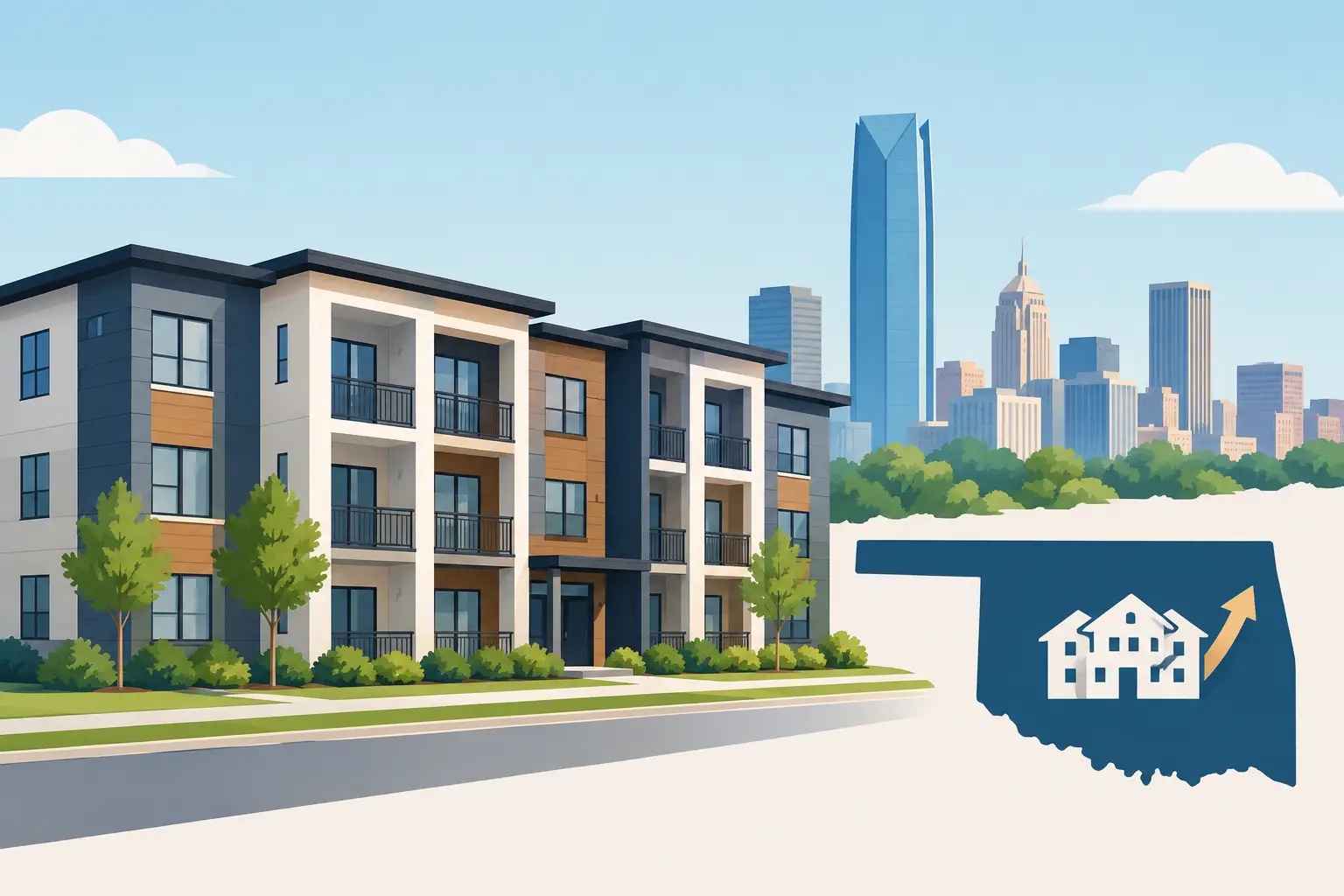 A duplex with one vacant side can look like a bargain until you account for the roof, utilities, lease-up time, and the rent the occupied unit is actually collecting. That is why a good multi family investing guide starts with the numbers behind the listing, not the projected income in the marketing remarks.
For buyers in the Oklahoma City metro, multi-family property can create a practical path to building income and equity. It can also require more hands-on decision-making than a typical single-family rental. The right property depends on your financing, risk tolerance, available cash, management plan, and the specific neighborhood you choose.
Before looking at properties in Oklahoma City, Edmond, Yukon, Mustang, Bethany, or nearby communities, decide what job the property needs to do for you. An owner-occupied duplex, triplex, or fourplex may help offset your housing payment while giving you firsthand experience as a landlord. A fully rented investment property may be better suited to a buyer focused on cash flow from day one.
Owner occupancy can expand financing options and lower the down payment required in some cases, but it comes with a trade-off: you are living close to your tenants and need to qualify based on your own income and the lender's rental-income guidelines. An investment-only purchase offers more separation, but generally requires more cash down and may carry a higher interest rate.
Set a clear target before your search begins. Are you looking for monthly income, a value-add opportunity, a long-term hold, or a property where you can live in one unit? A property that fits one goal may be a poor fit for another. For example, a renovated duplex in a stable area may produce dependable income but leave little room for immediate upside. A property needing significant work may offer a lower entry price, but renovation and vacancy can quickly strain your budget.
The asking price matters, but the property's operating performance matters more. Sellers may advertise market rents that are higher than current rents, and those projections can be realistic or overly optimistic. Verify every assumption before making an offer.
Ask for current leases, a rent roll, security-deposit information, payment history when available, and records of any vacant units. Compare the stated rents with similar rentals nearby, taking into account unit size, condition, parking, laundry, appliances, and whether utilities are included.
A unit that has been vacant for months deserves a closer look. It may need repairs, be priced too high, or reflect a location issue. On the other hand, a below-market tenant can represent future upside, provided the lease terms and local market support a rent adjustment when appropriate.
Gross rent is not cash flow. Start with the annual rental income, then account for taxes, insurance, property management if you will use it, routine maintenance, utilities paid by the owner, lawn care, pest control, vacancy, and reserves for major repairs.
Oklahoma weather makes property condition especially relevant. Hail, wind, heat, drainage, aging HVAC systems, and older sewer lines can change the economics of a deal. A property with a recently replaced roof and separate utility meters may justify a higher price than a similar building with deferred maintenance and owner-paid utilities.
Do not treat a seller's low maintenance history as proof that future repairs will be low. Set aside a realistic reserve. Even a well-maintained property will eventually need capital improvements such as exterior paint, water heaters, flooring, appliances, or mechanical work.
Cap rate can be useful for comparing properties, but it does not include your mortgage payment. Cash-on-cash return, debt service, and monthly cash flow help show how the financing structure affects your actual return. A property with a strong cap rate may still produce thin cash flow if the loan terms are unfavorable.
Run the numbers using current rents and a conservative vacancy assumption. Then run a second scenario based on reasonable improvements you could make after purchase. If the deal only works under the best possible assumptions, it is probably too tight.
A multi-family property is not evaluated the same way as a single-family home, but location remains central to long-term performance. Access to employment centers, major roads, schools, shopping, health care, and neighborhood amenities can affect rent demand and tenant turnover.
In the Oklahoma City metro, rental demand varies block by block. A duplex near established employment and services may appeal to long-term tenants, while another property a short distance away may face more turnover or rent pressure. Look at nearby rental listings, days on market, and the condition of competing units instead of relying on citywide averages.
Also consider the building's practical appeal. Off-street parking, private outdoor space, separate entrances, storage, in-unit laundry, and updated kitchens or baths can meaningfully affect rentability. Those features may not appear in a simple price-per-square-foot comparison, but tenants notice them immediately.
Financing for two- to four-unit properties is often more accessible than buyers expect, particularly for owner-occupants. Conventional, FHA, VA, and portfolio loan options may be available depending on the property type and your qualifications. Lenders will review the property's condition, appraisal, intended occupancy, and rental income differently depending on the loan program.
The key is speaking with a lender early. Ask how much projected rental income can be used to qualify, what reserves are required, and whether the property must meet specific condition standards. A lower down payment can preserve cash for repairs and reserves, while a larger down payment may improve monthly cash flow. There is no universal right answer.
For properties with five or more units, financing usually moves into commercial lending. The underwriting becomes more focused on the property's income, and loan terms may differ substantially from residential financing. If you are buying your first multi-family property, a two- to four-unit building is often a more familiar place to start.
Once you have a property under contract, take the inspection and review period seriously. A general inspection is valuable, but multi-family buyers may also need specialist evaluations for sewer lines, foundations, roofs, electrical panels, HVAC systems, and drainage. Older properties can have a mix of updates and original components, so do not assume one renovated unit means the entire building has been improved.
Review leases carefully. Confirm who pays each utility, whether pets are permitted, when leases expire, what deposits are held, and whether there are any unpaid balances or pending maintenance concerns. If tenants are in place, the lease obligations transfer with the property.
You should also verify zoning, legal unit count, permits for additions or conversions, and parking arrangements. A building being used as a duplex does not automatically mean it is legally recognized as one. This is a detail worth confirming before you remove contingencies.
Some investors manage their own rentals to keep costs down and stay close to operations. Others hire a property manager to handle marketing, screening, maintenance coordination, rent collection, and tenant communication. Self-management can work well when you have the time, systems, and temperament for it. Professional management can reduce your workload, but its cost needs to be part of the underwriting from the beginning.
Either way, plan for responsive maintenance and consistent communication. The cheapest contractor is not always the best choice when a plumbing leak is affecting an occupied unit. Reliable vendors, clear lease policies, and adequate reserves protect both the property and the tenant experience.
A local agent can help you compare available properties, evaluate neighborhood context, request the right documents, and structure an offer around the facts of the deal. Cameron John works with buyers across the Oklahoma City metro who want straightforward guidance through the search, negotiation, and closing process.
The best first purchase is rarely the flashiest listing. It is the property whose income, condition, financing, and location still make sense after you have asked the difficult questions.

Why choose Cameron John as your REALTOR®? Cameron John is a dedicated RE/MAX Preferred REALTOR® who combines experience, energy, and a deep commitment to helping home buyers find the perfect place ....
A duplex with one vacant side can look like a bargain until you account for the roof, utilities, lease-up time, and the rent the occupied unit is actually collecting. That is why a good multi family
An appraisal can feel like the moment a home purchase either stays on track or gets complicated. You have found the right property, negotiated a contract, and started the loan process. Now an
The seller has accepted your offer, but the home is not yours just yet. Understanding what happens after offer acceptance can replace a lot of nervous waiting with clear next steps. In the Oklahoma
A home in Edmond can look great online, receive a few saves, and still sit without a showing. A well-kept Yukon home may have steady traffic but no offers. That is when sellers start asking, when
 Copyright© 2026 MLSOK, Inc. listing content is believed to be accurate but is not guaranteed. Subject to verification by all parties. The listing information being provided is for consumers personal, non?commercial use and may not be used for any purpose other than to identify prospective properties consumers may be interested in purchasing. This listing data is copyrighted and may not be transmitted, retransmitted, copied, framed, repurposed, or altered in any way for any other site, individual
and/or purpose without the express written permission of MLSOK, Inc. Information last updated on September 25, 2026 3:03 PM UTC
© 2026 OKC Metropolitan Association of REALTORS® (OKMAR). All rights reserved.
Disclaimer: All information deemed reliable but not guaranteed and should be independently verified. All properties are subject to prior sale, change or withdrawal. Neither listing broker(s) nor September 25, 2026 3:03 PM UTC shall be responsible for any typographical errors, misinformation, misprints and shall be held totally harmless.
Data last updated on September 25, 2026 3:03 PM UTC
Show More...
Copyright© 2026 MLSOK, Inc. listing content is believed to be accurate but is not guaranteed. Subject to verification by all parties. The listing information being provided is for consumers personal, non?commercial use and may not be used for any purpose other than to identify prospective properties consumers may be interested in purchasing. This listing data is copyrighted and may not be transmitted, retransmitted, copied, framed, repurposed, or altered in any way for any other site, individual
and/or purpose without the express written permission of MLSOK, Inc. Information last updated on September 25, 2026 3:03 PM UTC
© 2026 OKC Metropolitan Association of REALTORS® (OKMAR). All rights reserved.
Disclaimer: All information deemed reliable but not guaranteed and should be independently verified. All properties are subject to prior sale, change or withdrawal. Neither listing broker(s) nor September 25, 2026 3:03 PM UTC shall be responsible for any typographical errors, misinformation, misprints and shall be held totally harmless.
Data last updated on September 25, 2026 3:03 PM UTC
Show More...
