
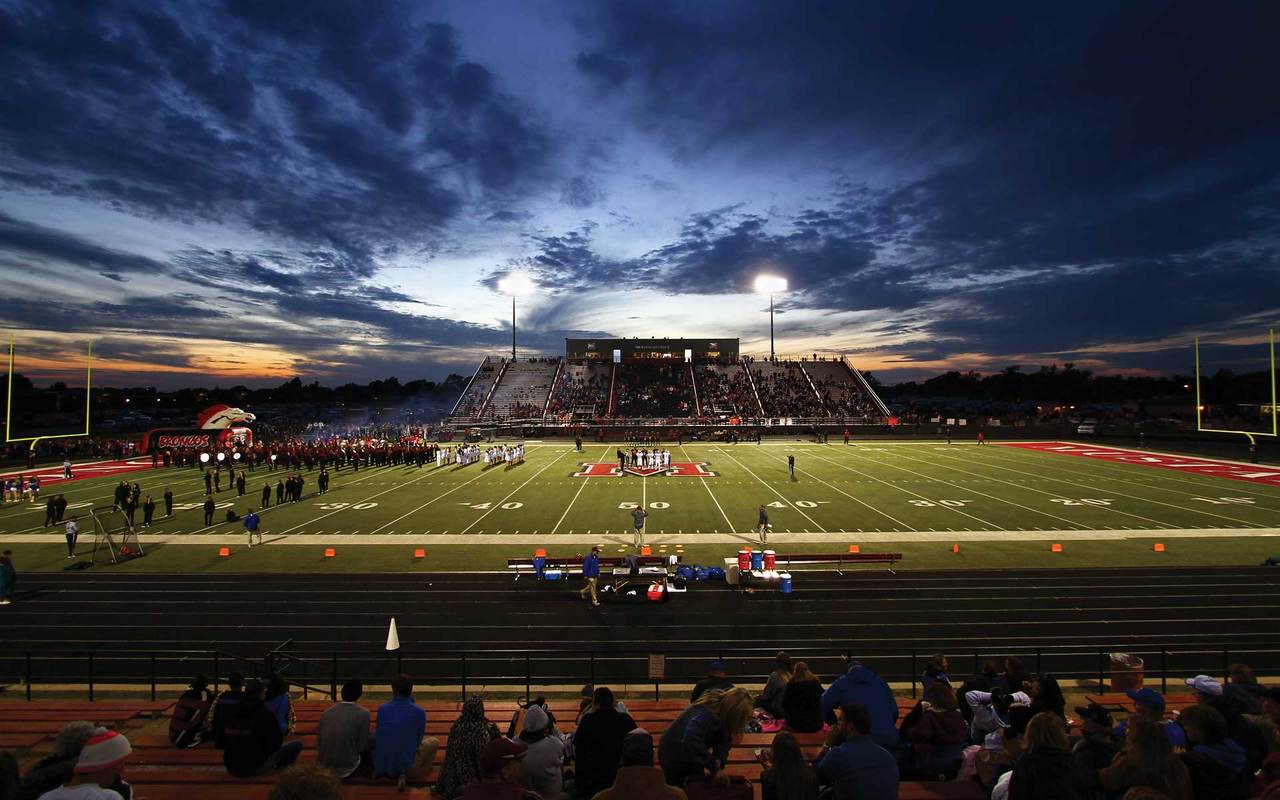
The History and Growth of Mustang, Oklahoma
Early History and Settlement
Mustang, Oklahoma, is a vibrant city with a rich history that reflects the broader narrative of American settlement, growth, and community development. From its early days as a frontier settlement to its current status as a thriving suburban community, Mustang's journey is a testament to the resilience and determination of its residents.
The area now known as Mustang has been inhabited for centuries, with European explorers traversing the region as early as 1541. However, the modern history of Mustang began with the Oklahoma Land Run of 1889, a pivotal event that opened the Unassigned Lands to non-Native American settlers. This land rush saw a surge of pioneers eager to claim and cultivate new territories, leading to the establishment of numerous communities, including Mustang.
In 1895, E.M. Maxwell established the Mustang post office, marking an essential step in the area's development. The name "Mustang" is believed to have been inspired by a nearby creek of the same name, which flowed just north of the town limits. This nomenclature reflects the natural features that early settlers used as landmarks and resources.
Formation and Growth of the Town
While the establishment of the post office signified the beginnings of a structured community, it wasn't until November 1901 that Mustang was formally established as a town. Charles G. Jones, a former mayor of Oklahoma City and a notable developer, filed the town plat, laying out the streets and lots that would define Mustang's early infrastructure.
This period also saw the construction of the Oklahoma City and Western Railroad, which passed through Mustang, enhancing its connectivity and economic prospects. The arrival of the railroad was a significant catalyst for growth, facilitating the transport of goods and people, and attracting businesses and settlers to the area.
Agriculture became a cornerstone of Mustang's economy, with fertile lands supporting various crops and livestock. The town's proximity to Mustang Creek and the Canadian River provided essential water resources, further bolstering its agricultural endeavors.
Incorporation and Modern Development
Despite its early establishment and growth, Mustang remained an unincorporated area for several decades. It wasn't until 1969 that Mustang was officially incorporated as a city. This move allowed for more structured governance and planning, paving the way for the development of municipal services and infrastructure.
Following incorporation, Mustang experienced significant population growth, reflecting broader suburbanization trends in the United States during the latter half of the 20th century. The establishment of public institutions, such as schools and emergency services, played a crucial role in shaping Mustang's community identity.
The Mustang Public School system expanded to accommodate the growing population, emphasizing the community's commitment to education. Similarly, the formation of the Mustang Fire Department in the late 1950s, even before the city's official incorporation, showcased the residents' dedication to safety and communal well-being.
Cultural and Community Life
Mustang's cultural fabric is woven with traditions and events that foster community spirit. The city's annual celebrations, local organizations, and recreational facilities offer residents opportunities to engage and connect.
The Mustang Historical Society plays a pivotal role in preserving and sharing the city's rich history, ensuring that the stories of the past remain accessible to future generations. The city's parks, community centers, and local events contribute to a vibrant community life, making Mustang not just a place to live, but a place to thrive.
Economic Development and Infrastructure
Over the years, Mustang has evolved from an agrarian-based economy to a more diversified economic landscape. The development of commercial areas, the establishment of local businesses, and the city's strategic location near Oklahoma City have all contributed to its economic vitality.
Infrastructure improvements, including transportation networks and public utilities, have supported this growth, ensuring that Mustang remains an attractive place for both residents and businesses. The city's planning initiatives have focused on balancing growth with sustainability, aiming to provide residents with a high quality of life while preserving the community's character.
Notable Figures and Achievements
Mustang has been home to individuals who have achieved recognition in various fields. Athletes, artists, and public servants from Mustang have contributed to the broader cultural and professional landscape, bringing pride to their hometown. The accomplishments of these individuals highlight the supportive environment that Mustang fosters for personal and professional growth.
Conclusion
From its inception during the Oklahoma Land Run to its current status as a thriving suburban city, Mustang, Oklahoma, embodies a rich history of resilience, community, and growth. The city's journey reflects broader themes of American development, showcasing how a community can honor its past while embracing the future.
As Mustang continues to evolve, it remains rooted in the values and traditions that have defined it for over a century, ensuring that its legacy endures for generations to come.
 Copyright© 2026 MLSOK, Inc. listing content is believed to be accurate but is not guaranteed. Subject to verification by all parties. The listing information being provided is for consumers personal, non?commercial use and may not be used for any purpose other than to identify prospective properties consumers may be interested in purchasing. This listing data is copyrighted and may not be transmitted, retransmitted, copied, framed, repurposed, or altered in any way for any other site, individual
